Why Composition Shingles Fail Prematurely: The Hidden Problem of Improper Installation
Most early shingle failures trace back to how the roof was installed, not to defective materials.
October 7, 2026 · 3 min read
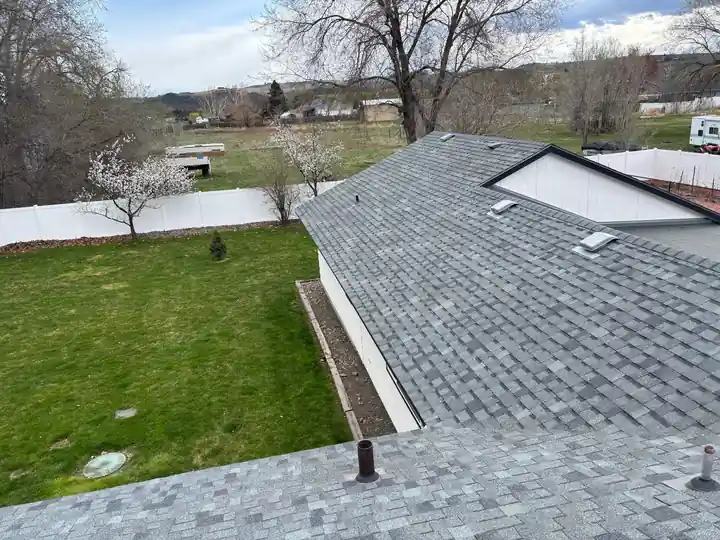
When you invest in a new roof with composition shingles, you expect it to last decades. Yet across the country roofs are failing early, not because the materials are defective but because of improper installation. Poor nailing and a lack of adherence to manufacturer specifications are widespread in the roofing industry, and they cost homeowners thousands of dollars in unnecessary repairs and replacements.
Even certified contractors contribute to the problem, often failing to deliver roofs that meet specifications. High turnover, seasonal labor and inadequate training for new hires make it worse. Here is why improper installation is such a big problem, how it affects the life of composition shingles, and what you can do to protect your investment.
The premature failure problem
Composition shingles, often made from asphalt and fiberglass, are designed to last 20 to 50 years, depending on their grade. Improperly installed shingles can fail in as little as 5 to 10 years. The reasons are consistent:
- Cutting corners: many roofers rush jobs to maximize profit and skip critical installation steps.
- Untrained new hires: roofing is seasonal, which leads to frequent hiring of temporary or inexperienced workers who don't get adequate training.
- Turnover: high employee turnover makes it hard to maintain consistently skilled crews.
- Disregard for manufacturer specifications: even certified contractors sometimes fail to follow detailed manufacturer guidelines because of weak oversight or improper delegation of work.
The role of improper nailing
One of the most common causes of early failure is improper nailing, and it shows up in several ways.
Nail placement: manufacturers specify exact zones where nails must go to secure shingles properly. Nails outside those zones can lead to shingles blowing off in high winds, and to water intrusion that causes leaks and rot.
Overdriven nails: nails driven too deeply can cut through the shingle and reduce its ability to hold. This often happens when roofers use pneumatic nail guns set at high pressure without adjusting them for the material.
Underdriven nails: nails that are not flush with the surface create gaps that let water seep under the shingles.
The wrong nails: roofing nails must meet specific standards for length, material and design. Nails that are too short or prone to rust weaken the roof over time.
Why certified contractors aren't immune
It is easy to assume that hiring a certified contractor guarantees a high-quality roof, but that is not always the case. Certification shows that a company or contractor has met certain standards. It does not guarantee consistent execution on every job. Three issues come up:
- Inadequate training for new hires: seasonal demand means contractors often hire temporary or inexperienced workers who don't receive proper training.
- Lack of oversight: certified companies sometimes rely on foremen or subcontractors to manage crews, and quality can slip through the cracks.
- Rushed timelines: to meet seasonal demand, many contractors put speed ahead of precision, which leads to mistakes in nailing and other critical steps.
The cost of non-compliance
When roofers don't follow manufacturer specifications, it voids the warranty. Homeowners often don't find out until they try to make a claim, and then they are responsible for the cost of repair or replacement.
What homeowners can do
You can take proactive steps to make sure your roof is installed correctly and lasts its intended lifespan:
- Hire a contractor with a proven training program. Ask how they train new hires and how they keep crews consistent.
- Insist on oversight. A reliable contractor has supervisors or project managers who inspect the work at every stage.
- Verify warranty compliance. Make sure the contractor's work meets the manufacturer's requirements so your warranty stays valid.
- Ask for references and reviews. Look for feedback from previous customers that points to attention to detail and adherence to specifications.
The bottom line
Composition shingles are a durable and cost-effective roofing material when they are installed correctly. Improper nailing, high turnover and inadequate training across the industry are causing roofs to fail early, and even certified contractors are not immune. That makes it critical to do your homework before you hire.
We believe in doing the job right the first time. That means training for every team member, following manufacturer specifications to the letter, and hands-on oversight throughout every project. Don't settle for shortcuts on your home's first line of defense. Choose a contractor who values precision and accountability.
Yakima Roofing & Remodeling, LLC, 509-907-7206
Call 509-907-7206More articles
DIY Asphalt Shingle Inspection: Is Your Roof Failing?
A walk-through of what to look at on a composition roof, so you know whether you need a repair or should start planning a replacement.
Underlayment Is Not a Roofing System
Underlayment is a critical layer, but it is one part of the roof, not the roof itself.