Underlayment Is Not a Roofing System
Underlayment is a critical layer, but it is one part of the roof, not the roof itself.
October 7, 2026 · 4 min read
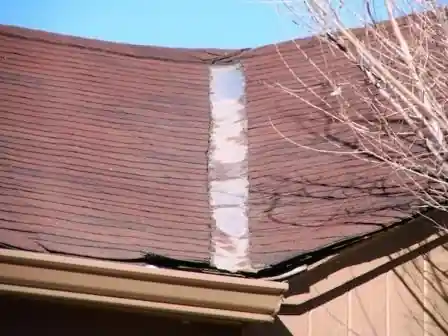
In the roofing industry, misconceptions spread quickly, and one of the most misleading is the claim that underlayment alone is a roofing system. It has confused homeowners and even some professionals.
Underlayment is a critical component of any roofing system, wherever you live. It is not designed to be a standalone solution. Whether you are in Yakima, Washington, or anywhere else, a complete roofing system is what gives you long-term protection. Here is what underlayment does, where it fits, and why relying on it alone is a recipe for disaster.
What is roofing underlayment?
Underlayment is a layer of material installed beneath the roof covering (shingles, tiles or metal panels) and above the roof deck. Its main purpose is to add a barrier against water infiltration, especially during construction or if the outer layer is damaged.
It serves as temporary protection while the roof is being installed and as a secondary defense once the roofing system is complete. It cannot replace the outer roof covering, which shields the underlayment from the elements.
There are three common types:
- Asphalt saturated felt: traditional and cost-effective, but less durable and prone to degrading in extreme conditions.
- Synthetic underlayment: lightweight, tear-resistant, and better suited to variable climates.
- Rubberized asphalt underlayment: premium waterproofing for areas prone to ice dams or heavy rain.
Why underlayment isn't the whole system
First, it lacks durability and longevity. Underlayment is not built to withstand prolonged exposure. Sunlight, rain, wind and snow can quickly degrade it if it is left uncovered, and without a protective top layer like shingles or tiles its lifespan is cut short.
Second, it provides limited protection. Underlayment helps keep water out, but it cannot carry the full burden of protecting a home. The outer roof covering (shingles, tiles, shakes or metal) is the primary defense against weather. Roofing nails also penetrate the underlayment, creating possible pathways for water if it gets under the shingles. That is why the outer covering is essential: it keeps water from ever reaching the roof deck.
Third, it does not meet manufacturer or building standards. Most roofing manufacturers specify underlayment as part of a system, not a standalone solution, and building codes require complete roofing systems, including ventilation, flashing and a durable top layer.
The temporary job underlayment does well
During roofing or re-roofing, underlayment keeps the home protected while the work is underway. It gives a quick dry-in for interior work, shielding the roof deck from weather so electricians, drywallers and painters can keep working without delays from leaks or exposure. When an existing roof is being replaced, it prevents moisture damage to the exposed deck until the new covering goes on.
That protection is short-term. Underlayment is not designed to be exposed indefinitely, so finishing the roof promptly protects both the underlayment and the entire system.
A cautionary tale from Las Vegas
Roofing practices differ a lot between regions. In Las Vegas, for example, it is common on tile roofs not to install pipe flashings, letting water run underneath the tiles and relying solely on the underlayment. That may work for a while in a dry climate, but it leads to long-term problems.
We have seen how it backfires. A homeowner in Las Vegas contacted us after a local contractor bid to tear off her tiles, install new underlayment and battens, and reinstall the old tiles. That plan would not have fixed the root problem, the lack of proper flashing and drainage, and she would have been left with the same issues. What she needed was a complete roofing system that addressed every component, flashing included, to stop water getting in.
The lesson is that underlayment alone, even brand new, cannot resolve a systemic roofing problem. Long-term durability takes a comprehensive solution.
What a roofing system actually includes
- Roof deck: the structural foundation of the roof, typically plywood or OSB.
- Underlayment: a secondary barrier against water infiltration.
- Roof covering: the visible top layer, such as asphalt shingles, tiles or metal panels, which is the primary defense against weather.
- Flashing: metal pieces that seal edges and joints at vulnerable points like chimneys and vents.
- Ventilation: airflow that prevents moisture buildup and extends the life of the roof.
The idea that underlayment can be the whole roof usually comes from mild climates. But even where rainfall is limited and temperatures are moderate, underlayment is not designed for prolonged exposure. Without shingles, tiles or metal panels over it, it deteriorates rapidly and leaves the home open to leaks and damage. Every component of the roof has a specific job, and underlayment alone cannot meet the demands of protecting a home.
What to expect from your roofing contractor
- Proper installation: they follow manufacturer guidelines and include every component of a roofing system.
- Quality materials: underlayment and roof coverings that can handle local weather.
- Regular inspections: seasonal weather takes a toll on a roof, so schedule inspections to catch problems early.
Don't fall for half-truths
Underlayment is an essential part of any roofing system, but it is not the roof. Misleading claims leave homeowners exposed to premature failures and costly repairs. A complete system, including the roof deck, underlayment, shingles or tiles, flashing and ventilation, is what protects a home over the long term.
No matter where you live, cutting corners on the roofing system is not an option. Choose a contractor who values quality, transparency and a full roofing system, and get a roof built to last.
Yakima Roofing & Remodeling, LLC, 509-907-7206
Call 509-907-7206More articles
DIY Asphalt Shingle Inspection: Is Your Roof Failing?
A walk-through of what to look at on a composition roof, so you know whether you need a repair or should start planning a replacement.
TPO or PVC: Which Membrane Fits Your Building in Yakima?
Both membranes work on commercial roofs, but they suit different budgets, buildings and risks.