What to Do If Your Roof Is Leaking During a Storm
Act quickly and safely, and you can limit the damage until a roofer can get up there.
October 7, 2026 · 4 min read
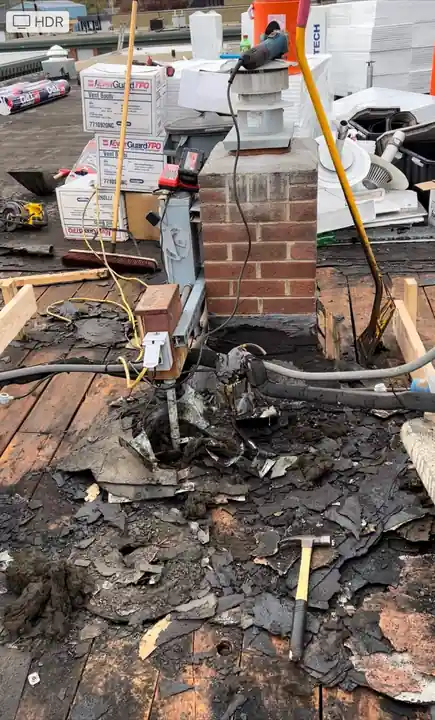
A roof leaking during a storm is a homeowner's nightmare. In Yakima, where the weather can turn to heavy rain, wind and even snow, leaks are not uncommon. If you see water dripping or pooling in your home during a storm, acting quickly limits the damage and the repair bill. Here is a step-by-step guide.
1. Stay calm and prioritize safety
First, make sure everyone in the home is safe. Water leaks can cause slip hazards, electrical problems and structural damage.
- Turn off electricity: if water is near outlets or fixtures, shut off power to that area to avoid electrical shock.
- Avoid the affected area: stay away from any part of the ceiling that is sagging or dripping heavily, because it could collapse.
2. Contain the water
Once it is safe, contain the water and limit further damage:
- Use buckets or pots: place containers under the leak to catch the dripping water.
- Protect your belongings: move furniture, electronics and other valuables out of the way, and use plastic sheets or tarps to cover anything you can't move.
- Relieve pressure: if water is pooling and making the ceiling bulge, carefully poke a small hole in the center so it drains in a controlled way, and catch the flow in a bucket.
3. Identify the source, if you can
It can be hard to pinpoint the source during a storm, but some leaks are obvious. Look for:
- Damaged or missing shingles: composition shingles, common in Yakima, are durable but strong winds or hail can displace them.
- Clogged gutters: debris can block gutters so water overflows and seeps under the roof.
- Flashing problems: improperly installed or corroded flashing around vents, chimneys or skylights can let water in.
If the leak is too severe or you can't find the source, wait until the storm passes and call a professional roofing contractor to inspect the damage.
4. Temporary fixes, only if you decide to
While you wait for the storm to ease or for professional help, a temporary fix can reduce the water coming in. The roof can be slick, and any time you get up there you are in danger. Still, many homeowners want to do something to limit further damage.
Tarp the roof: if you have a sturdy ladder and the storm is mild, you can cover the damaged area with a waterproof tarp. Try to place the tarp over a ridge or tuck it under a row of shingles, and secure it with nails and boards. If a penetration is causing the leak, a tarp may not help. It can't cover penetrations that exhaust heat, like heat exhaust vents and chimneys.
Ladder safety matters just as much as the tarp:
- The ground may be slick and the ladder can slip out from under you. Make sure it is on level ground and have someone stand at the bottom with their feet against the ladder's feet.
- A ladder can slide from side to side on the gutters. It is best to tie it off to the gutter.
- Do not step on the rung that sits above the eave. That is the fulcrum point. Weight above the eave turns the ladder into a lever, and the bottom can slip out from under you.
Other short-term options:
- Seal small gaps: for minor leaks, roofing tape or sealant can work as a temporary fix.
- Redirect water: if overflowing gutters are the cause, use a stick or tool to clear the debris and restore the flow.
5. Document the damage
After the immediate problem is contained, document the damage for insurance purposes:
- Take photos of the leak, the affected areas and any visible roof damage.
- Write notes on when the leak started, how far the damage extends and any temporary repairs you made.
6. Contact a local roofing expert
Once the storm passes, call a trusted Yakima roofing contractor to assess the damage and make repairs. Local roofers know which materials and techniques hold up in this climate, and they can recommend ways to prevent future leaks, such as high-quality composition shingles or better roof ventilation.
There are good reasons to go local:
- Familiarity with the area: local roofers understand how our weather affects roofs and which materials last.
- Fast response: a local contractor can evaluate your roof quickly and offer immediate solutions.
- Experience with composition shingles: they are a popular choice in Yakima because of their affordability and durability, and local contractors know how to install and repair them.
7. Prevent future leaks
Regular maintenance and inspections are the best protection:
- Schedule an annual roof inspection with a professional, and another after severe weather.
- Keep gutters and downspouts clear of debris to prevent water buildup.
- Trim overhanging branches so they can't damage the roof in a storm.
A leak in the middle of a storm feels overwhelming, but acting quickly and calling the right professionals can save you from extensive damage. Whether it turns out to be a quick repair or a full roof replacement, get a local roofer to look at it as soon as the weather allows.
Yakima Roofing & Remodeling, LLC, 509-907-7206
Call 509-907-7206More articles
DIY Asphalt Shingle Inspection: Is Your Roof Failing?
A walk-through of what to look at on a composition roof, so you know whether you need a repair or should start planning a replacement.
Underlayment Is Not a Roofing System
Underlayment is a critical layer, but it is one part of the roof, not the roof itself.