TPO or PVC: Which Membrane Fits Your Building in Yakima?
Both membranes work on commercial roofs, but they suit different budgets, buildings and risks.
October 7, 2026 · 3 min read
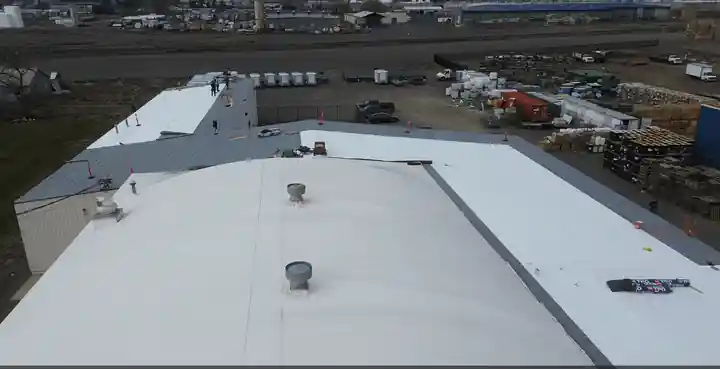
Choosing the right membrane is one of the biggest decisions in a commercial roofing project, because it drives durability, energy use and cost over the life of the roof. Two of the most popular materials in the industry are TPO (thermoplastic olefin) and PVC (polyvinyl chloride). Both have real advantages, and they differ in ways that matter. Here is how they compare so you can pick the one that fits your building.
What is TPO roofing?
TPO is a single-ply roofing membrane made from a blend of polypropylene and ethylene-propylene rubber. It is typically white or light-colored, which makes it reflective and energy-efficient. That helps in Yakima, where hot summers and UV exposure strain roofing systems. TPO is known for its affordability, ease of installation and resistance to UV rays, which makes it a popular choice for warehouses, schools and office buildings.
What TPO has going for it:
- Cost-effective: TPO is generally less expensive than PVC, which makes it a good fit for businesses on a budget.
- Energy efficiency: the light color and reflective surface reduce cooling costs during the warmer months.
- Environmentally friendlier: TPO is made from a blend of recycled materials and is fully recyclable at the end of its life.
- Easy installation: it is lightweight and flexible, so it goes down faster, which helps keep labor costs down on commercial projects.
Where TPO falls short:
- Long-term durability: TPO resists UV rays and ozone, but its long-term durability can be inconsistent. Over time the membrane may become brittle and more prone to punctures or tears than other materials.
- Fire resistance: TPO is not fireproof. In a recent test comparing TPO and PVC, we found that TPO keeps burning once ignited, while PVC has far better fire resistance. When the flame is removed, PVC stops burning. That is a real safety consideration for a commercial building.
What is PVC roofing?
PVC is a single-ply roofing membrane made from plasticized polyvinyl chloride and other additives. It is known for its durability, strength and resistance to chemicals, which makes it a high-performance option. It is often used on commercial buildings that need extra protection, such as those with heavy traffic, chemical exposure or extreme weather.
What PVC has going for it:
- Durability and longevity: PVC membranes have a long lifespan and are highly resistant to punctures, tears and chemical exposure, which makes them a good match for harsh weather or heavy foot traffic.
- Heat and fire resistance: PVC resists heat, fire and UV damage. In our fire test it stopped burning as soon as the flame was removed, a level of safety TPO could not match.
- Chemical resistance: PVC suits roofs that come into contact with harsh chemicals, such as restaurants, factories or facilities with chemical storage.
- Energy efficiency: like TPO, PVC is reflective, which reduces the need for air conditioning and lowers energy costs.
Where PVC falls short:
- Higher initial cost: PVC is typically more expensive than TPO, in both material and installation.
- Limited flexibility: PVC is more rigid, which can make installation harder on complex roof designs or repairs.
- Environmental impact: PVC is durable, but it is not as environmentally friendly as TPO, since producing and disposing of it carries a greater footprint.
How to choose
Go with TPO if:
- You are on a tighter budget and need an affordable roofing option.
- You need an energy-efficient, reflective roof to help reduce cooling costs.
- You want an eco-friendly material that is recyclable at the end of its life.
- Your building does not face extreme chemical exposure or heavy traffic.
Go with PVC if:
- You need a highly durable, long-lasting system that can handle harsh chemicals, heat and UV rays.
- Your building has high foot traffic, is exposed to extreme conditions, or needs superior fire and chemical resistance.
- You are willing to invest more up front for greater performance and longevity, including better fire safety.
The bottom line
Both TPO and PVC are good choices for commercial buildings, but they serve different needs. TPO is a cost-effective, environmentally friendly option that suits buildings in moderate conditions. PVC is the premium choice, with exceptional durability, performance and safety, especially fire resistance. Weigh your budget, climate, chemical exposure and fire safety needs, and you can make a decision that protects your investment for many years.
If you are still unsure which membrane fits your project, talk to a professional roofing contractor who can assess your building and give you advice tailored to it.
Yakima Roofing & Remodeling, LLC, 509-907-7206
Call 509-907-7206More articles
DIY Asphalt Shingle Inspection: Is Your Roof Failing?
A walk-through of what to look at on a composition roof, so you know whether you need a repair or should start planning a replacement.
Underlayment Is Not a Roofing System
Underlayment is a critical layer, but it is one part of the roof, not the roof itself.