Contract Analysis: Reading the Secrets in a Roofing Estimate
Know what you are getting by asking questions, and never accept ambiguous text.
October 7, 2026 · 4 min read
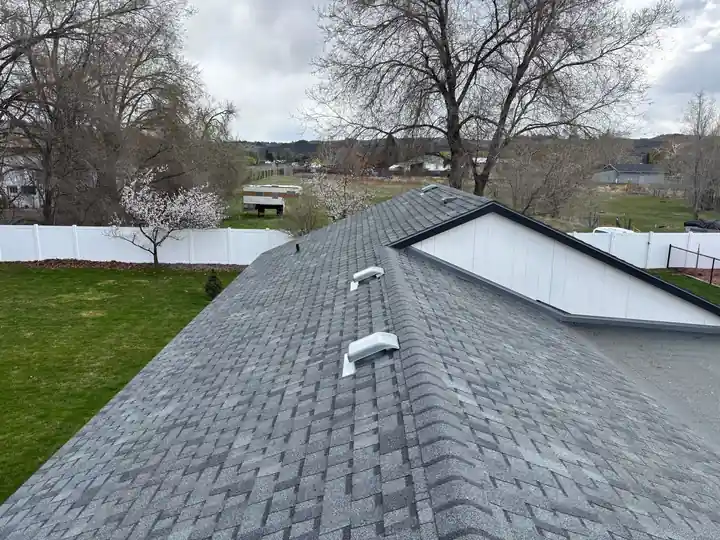
What isn't written in a contractor's estimate is just as important as what is. Know what you are getting by asking questions, and never accept ambiguous text. The terms of the work should be clear. You may not be an expert in the field, so read every contract you ask for. If one contractor says we will do this and that, or use this item, ask the other contractors who didn't mention those things whether they would be doing or using them as well.
What makes the price the price?
A contractor's estimate comes down to these basic components.
- Material
- Labor
- Waste management
- Overhead and profit
- Permits
- Sales tax
- The final price
Materials: Each contractor may use different materials. If everything else were the same, the material alone could still change the price. Some contractors use the cheapest materials possible, while others use much better quality products. Every contractor will stand behind what they install, but here is some insight: the contractor bidding the higher quality products may be losing the bidding wars precisely because he bid higher quality products. Asking each contractor what they are bidding and why is a good start to understanding why the contract prices differ.
Labor: Take materials out of the equation and labor is another reason estimates differ. Some contractors pay a piece rate, which means the installer is paid on performance: the faster they install, the higher their pay. That is only good for the contractor, never for the homeowner. Piece rates lead to poorer quality and a lack of training for newer installers, since time is money and nobody has the time to train. Because time is literally money, experienced installers also opt for the easier work and place less experienced installers on the details they haven't been well trained to do in the first place.
The other labor issue is contractors who do not pay workers comp. A contractor who skips workers comp doesn't have to play by the rules. He can pay his employees the same rates as those who follow the book, but he doesn't have to pay the extra tax.
Waste management: This is typically smaller. It is just the cost to haul the old materials away to the dump.
Overhead and profit: Every business must charge overhead and profit or it won't be around very long. Some contractors carry very high overhead and profit and can't bid on smaller projects, or they won't be able to make the bills. Many with high overhead still bid on smaller projects, hoping to compete with smaller companies that carry less. Overhead is just the cost of doing business. Profit must be worth it for a contractor to take the risk and put the wear on his equipment. A roofing contractor who doesn't charge enough profit will have no funds when the truck breaks down, the trailer needs brakes, or new safety equipment is needed to stay in compliance with OSHA regulations.
Permits: Within the city limits a permit must be obtained for re-roofing projects, so the permit price must be factored into the estimate. If you don't see text stating that permits are added to the final balance, you should see a line item. If it isn't there, ask why not.
Sales tax: Just like permits, sales tax must either be stated as included or shown as a separate line item with the tax amount.
Final balance: The final price may differ between contractors who submitted proposals. Sales tax and permits should be added to the final balance if they are not present in the price or description. Comparing estimates that leave out sales tax or permits makes them appear lower in overall cost when in fact they may not be.
Scope of work
A contractor's estimate should include either a description of the work to be done or line items. For example:
Example one, description: Remove old roofing system and haul away. New roof to consist of Pabco 30 year shingles, ice guard at the eaves and valleys and 2 feet beyond the building line, drip edge metals along the eaves and gables, synthetic underlayment over the surface of the roof, valley pan metal in the valleys, and new flashings for walls and penetrations. Price: $3000.
Example two, line items: Remove existing roof and haul away, $200. New Pabco roof install, $2500.
It doesn't matter what format is used. But as you can see, the second example's price isn't as high overall as the first. What is example two not saying? To begin with, it doesn't list as much detail about what is going to be used. Is example two using new flashings for penetrations and walls? What products is it using? Will it install ice guard two feet beyond the building line? You may not know much about roofing, but by comparing these two you can begin to formulate questions.
Ask the contractor behind example two those questions. Could this be why there is such a big difference in the price, $2700 compared to example one's $3000? Most often a lack of information gives the contractor the freedom to install whatever he wishes. If you sign the contract in example two, he may install the old pipe flashings even if you wanted new ones. After the job is done you see the old flashings and ask:
You: “Why didn't you get new pipe flashings? I thought they would be new.” Contractor: “Nope, we didn't bid new ones into the job.” You: “Why not? I want new ones!” Contractor: “Sure, we can change them out and add the extra cost to the bill.”
Sadly, you did agree to the old ones when you signed the contract. What else are you agreeing to?
Yakima Roofing & Remodeling, LLC, 509-907-7206
Call 509-907-7206More articles
DIY Asphalt Shingle Inspection: Is Your Roof Failing?
A walk-through of what to look at on a composition roof, so you know whether you need a repair or should start planning a replacement.
Underlayment Is Not a Roofing System
Underlayment is a critical layer, but it is one part of the roof, not the roof itself.